About this course
Course Overview:
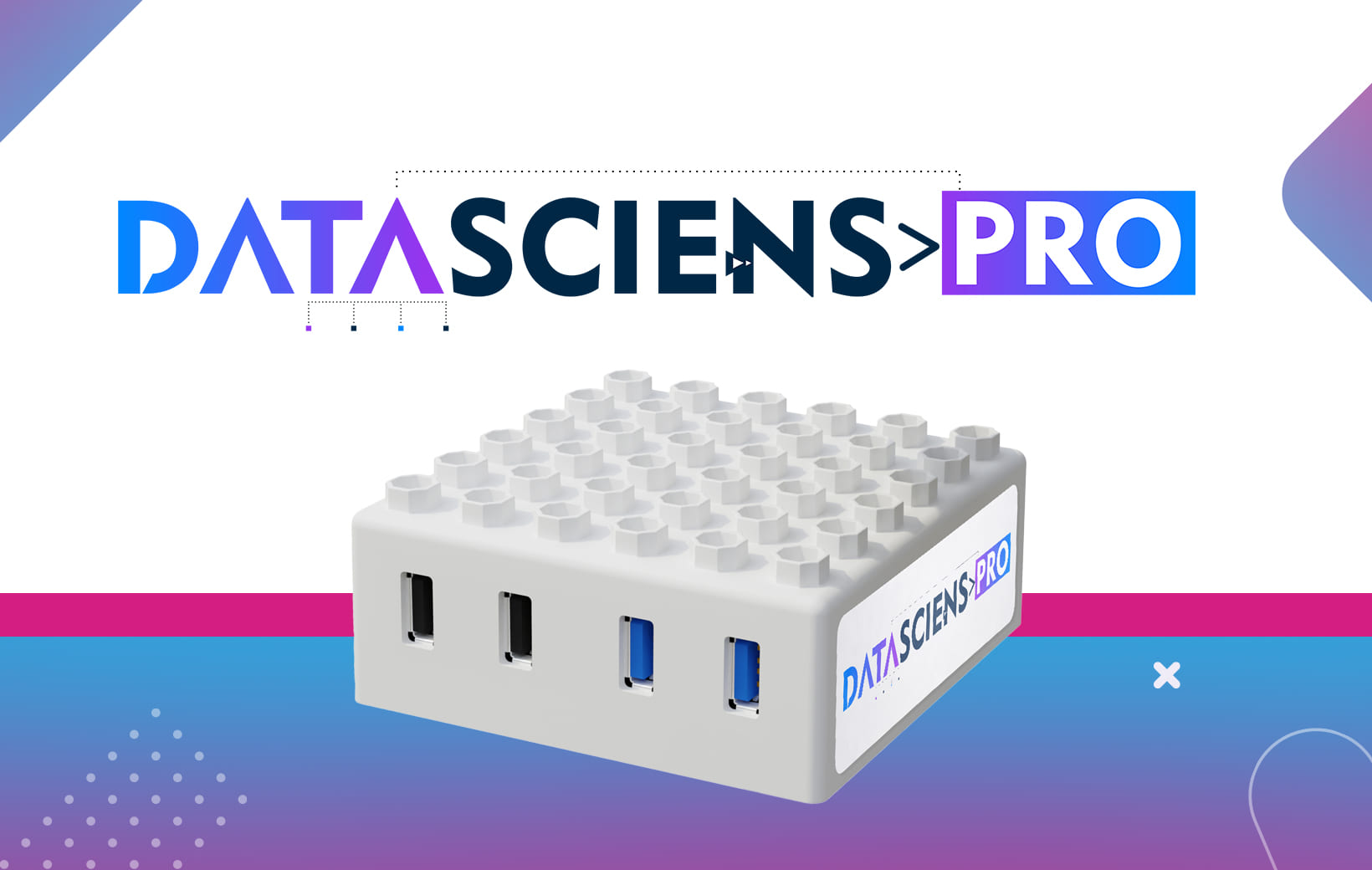
Data Science Pro is an advanced interdisciplinary program designed to bridge technology and sustainability by integrating data science principles with environmental and health sensor technologies. This course empowers learners to collect, analyze, and interpret real-world data from various sensors to support the United Nations Sustainable Development Goals (UNSDGs).
Through hands-on projects and sensor-based experiments, students will explore how data-driven insights can contribute to addressing global challenges — from climate change mitigation to urban safety, public health, and sustainable agriculture.
By the end of this course, learners will have both technical expertise in sensor integration and data analytics and a deep understanding of their applications in real-world sustainability contexts.
Course Modules
🌍 UNSDG Goal 13: Climate Action
Learning Outcome: Understand how to use environmental sensors to monitor and analyze factors contributing to climate change and its impact.
Lesson Sensor Learning Outcome
1 Moisture Sensor Monitor humidity and temperature to support weather tracking and climate resilience efforts.
2 Raindrop Sensor Detect rainfall patterns to enhance early warning systems and weather monitoring.
3 Light Detector Sensor Measure light intensity to support energy-efficient planning in varying climate conditions.
4 Temperature Sensor Track liquid temperature to monitor heat changes and promote climate-smart responses.
5 Gas Sensor Detect gas levels to assess environmental conditions and support air quality monitoring.
💚 UNSDG Goal 3: Good Health and Well-Being
Learning Outcome: Explore how sensor technologies can support health monitoring and contribute to individual and community well-being.
Lesson Sensor Learning Outcome
1 Light Intensity Sensor Measure light intensity to improve indoor comfort and health through better light exposure.
2 Sound Sensor Detect noise levels to understand health impacts and promote well-being through reduced sound exposure.
3 Photogate Sensor Monitor motion and speed to assess physical activity and encourage safe movement.
4 Health Sensor Measure heart rate, oxygen levels, and temperature to monitor personal health and detect early fatigue.
5 Gas Sensor Detect harmful gases to prevent health risks and support early environmental health alerts.
🏙️ UNSDG Goal 11: Sustainable Cities and Communities
Learning Outcome: Apply sensors to analyze and improve safety, sustainability, and infrastructure within urban environments.
Lesson Sensor Learning Outcome
1 Motion Detection Sensor (PIR) Detect human activity to improve safety and energy management.
2 Vibration Sensor Monitor vibrations to assess the structural health of buildings and infrastructure.
3 Flame Sensor Detect fires early to prevent hazards in urban spaces.
4 Gas Sensor Detect hazardous gas leaks to enhance safety in homes and public areas.
🌾 UNSDG Goal 2: Zero Hunger
Learning Outcome: Use sensor-based technologies in agriculture to improve food production and address food security challenges.
Lesson Sensor Learning Outcome
1 Temperature Probe Monitor temperature to determine ideal conditions for crop development.
2 Moisture Sensor Monitor humidity and temperature to assess conditions for healthy crop growth.
3 Soil Moisture Sensor Measure soil moisture to evaluate land readiness for farming activities.
4 Raindrop Sensor Detect rainfall to determine optimal timing for planting and irrigation.
5 Gas Sensor Detect harmful gases to prevent risks in agricultural environments.
Key Takeaways
- Gain hands-on experience with IoT sensors and environmental data collection.
- Learn to analyze real-world datasets for actionable sustainability insights.
- Develop critical thinking to apply data science for global good.
- Build mini-projects that align with UNSDG impact areas.
Ideal For
- Students and educators exploring STEM and sustainability.
- Innovators and developers interested in IoT for social good.
- Aspiring data scientists, environmental analysts, and smart-city enthusiasts.
Comments (0)
Monitor humidity and temperature to support weather tracking and climate resilience efforts.
Detect rainfall patterns to enhance early warning systems and weather monitoring.
Measure light intensity to support energy-efficient planning in varying climate conditions.
Track liquid temperature to monitor heat changes and promote climate-smart environmental responses.
Detect gas levels to assess environmental conditions and support air quality monitoring.
Measure light intensity to improve indoor comfort and support health through better light exposure.
Detect noise levels to understand health impacts and promote well-being through reduced sound exposure.
Monitor motion and speed to assess physical activity and encourage safe movement.
Measure heart rate, oxygen levels, and temperature to monitor personal health and detect early fatigue.
Detect harmful gases to prevent health risks and support early environmental health alerts.
Detect human activity to improve safety and energy management.
Monitor vibrations to assess structural health of buildings and infrastructure.
Detect fires early to prevent hazards in urban spaces.
Detect hazardous gas leaks to enhance safety in homes and public areas.
Monitor temperature to determine ideal conditions for crop development.
Monitor humidity and temperature to assess conditions for healthy crop growth.
Measure soil moisture to evaluate land readiness for farming activities.
Detect rainfall to determine optimal timing for planting and irrigation.
Detect harmful gas presence to prevent risks in agricultural environments.